
Case handling is one of the most common conveyor applications, yet easily underspecified. Compare belt, zero-pressure accumulation roller, and lineshaft systems to keep your cartons and totes moving smoothly.
Conveyor safety guarding is essential for protecting workers and staying compliant. Learn how fixed, interlocked, and side guards address nip points and shear hazards under OSHA and CSA standards.
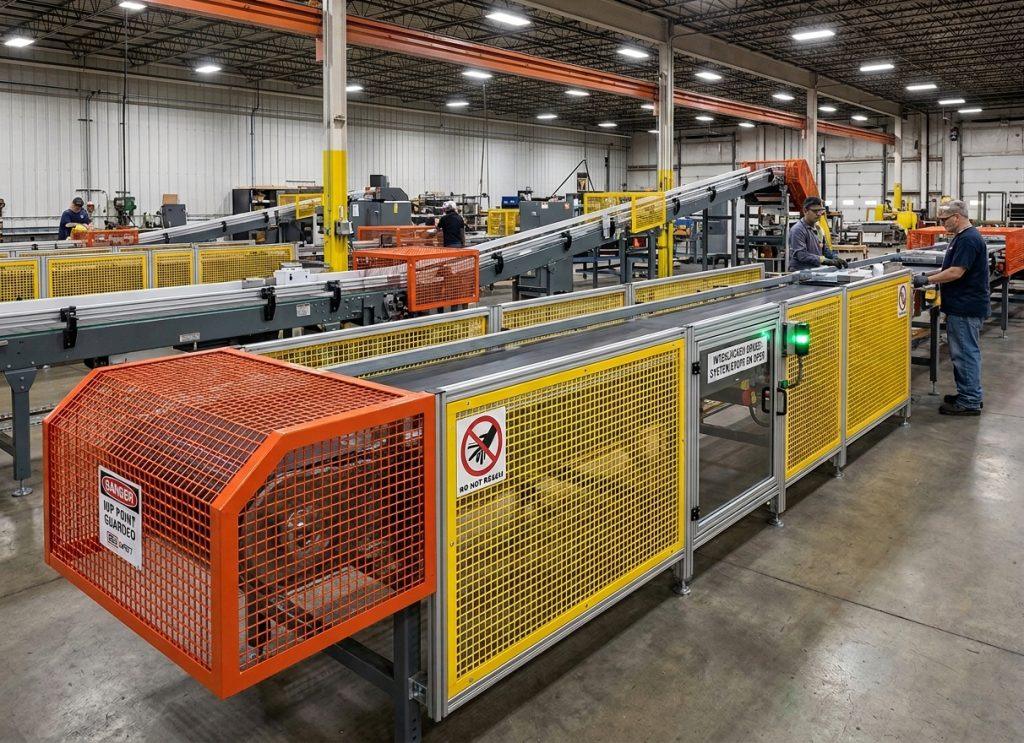
Conveyor safety guarding is essential for protecting workers and staying compliant. Learn how fixed, interlocked, and side guards address nip points and shear hazards under OSHA and CSA standards.
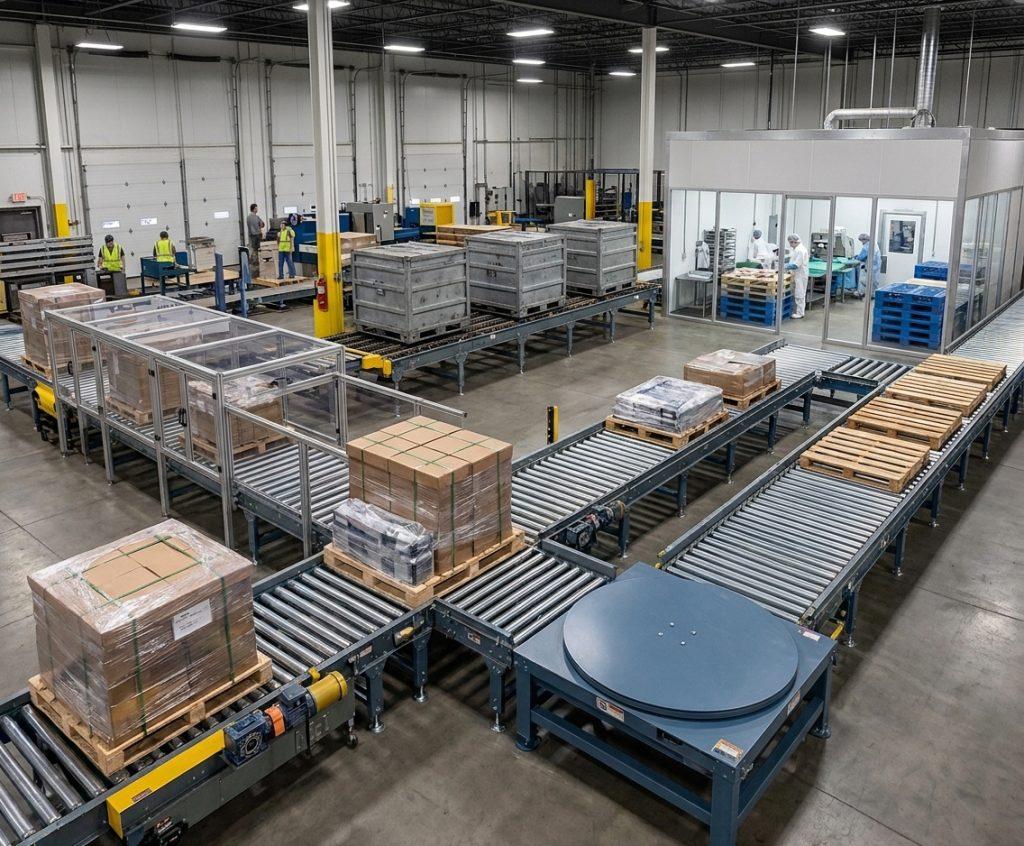
Selecting the wrong pallet conveyor can lead to costly downtime and maintenance headaches. Discover how chain, roller, and skate wheel systems compare so you can choose the right solution for your application.

As with any mechanical and electrical device, conveyors can present some safety concerns. Since they have many moving parts, anyone who works on, near, or around them should be well versed in conveyor safety -- and also why each rule is important and necessary.

Conveyors are the backbone of effective material handling systems. In fact, conveyor systems in manufacturing and warehouse operations can significantly reduce costs, increase productivity, drive throughput, align with lean principles, and create a safer, more ergonomic production environment.

Before you starting you’re new conveyor project
Proper planning with a distributor/integrator can make or break you’re new conveyor system
Every successful project has a definable beginning. Successful conveyor projects are no different. They result from a planning partnership between the customer and the distributor/integrator.

General Conveyors bulk food conveyors are designed from the ground up for the uncompromising sanitary demands of the food industry.